New Year’s Bonfire (Sagicho-shinji)
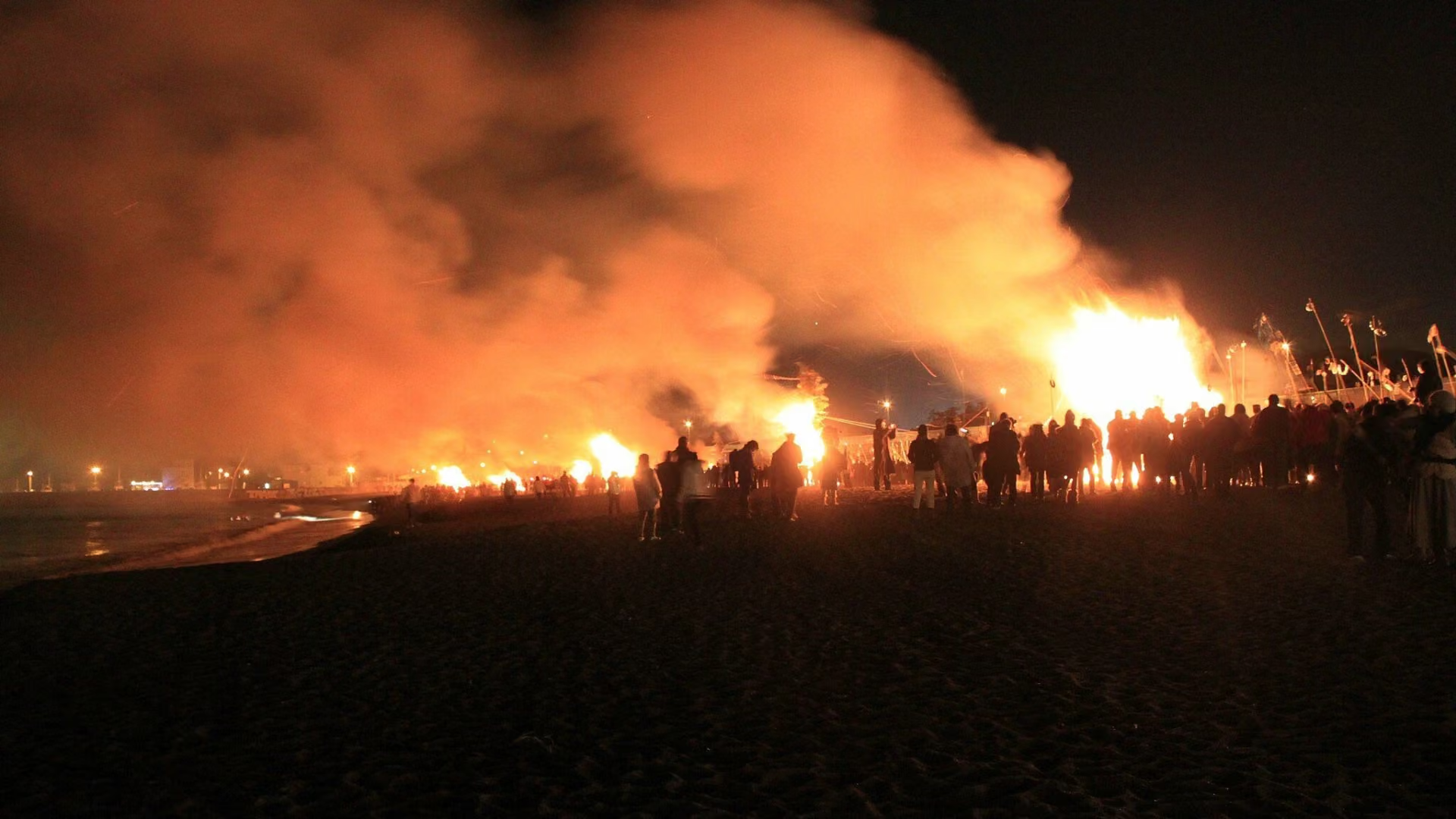
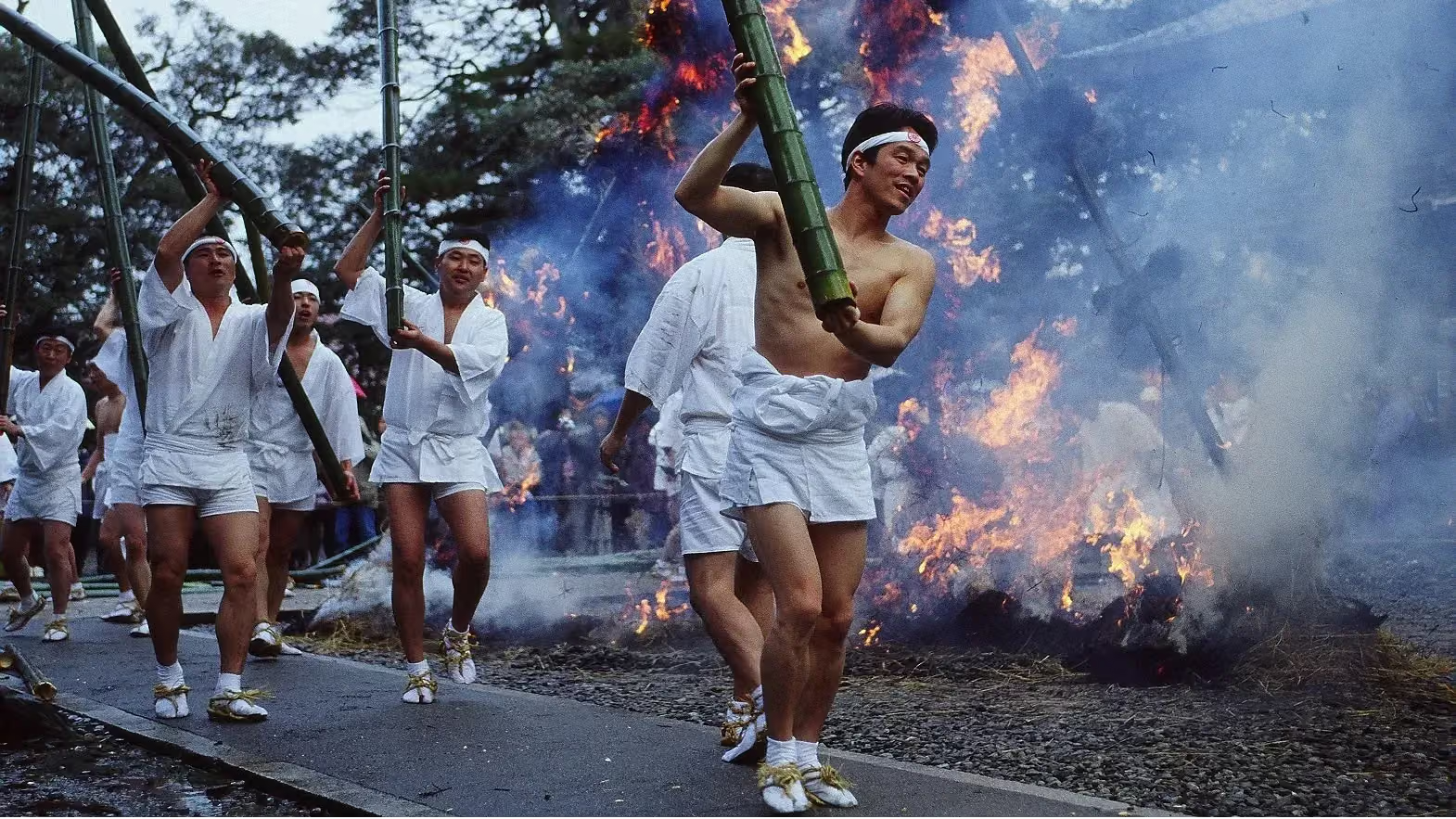
Sagicho-shinji burns New Year decorations on January 15 at Tsurugaoka Hachimangu shrine, in a fire believed to purify and bring a good harvest.
15 Jan 2027Exact date not confirmed yetKamakura · Kanagawa

Sagicho-shinji burns New Year decorations on January 15 at Tsurugaoka Hachimangu shrine, in a fire believed to purify and bring a good harvest.
15 Jan 2027Exact date not confirmed yetKamakura · KanagawaThis shrine enshrines Amaterasu Omikami and Toyoukebime, along with five other Shinto deities including Ninigi-no-Mikoto and Ame-no-Tajikarao.
Miyakonojo · MiyazakiA National Important Folk Cultural Property, this Little New Year fire ritual purifies homes and communities through burning traditional new-year decorations.
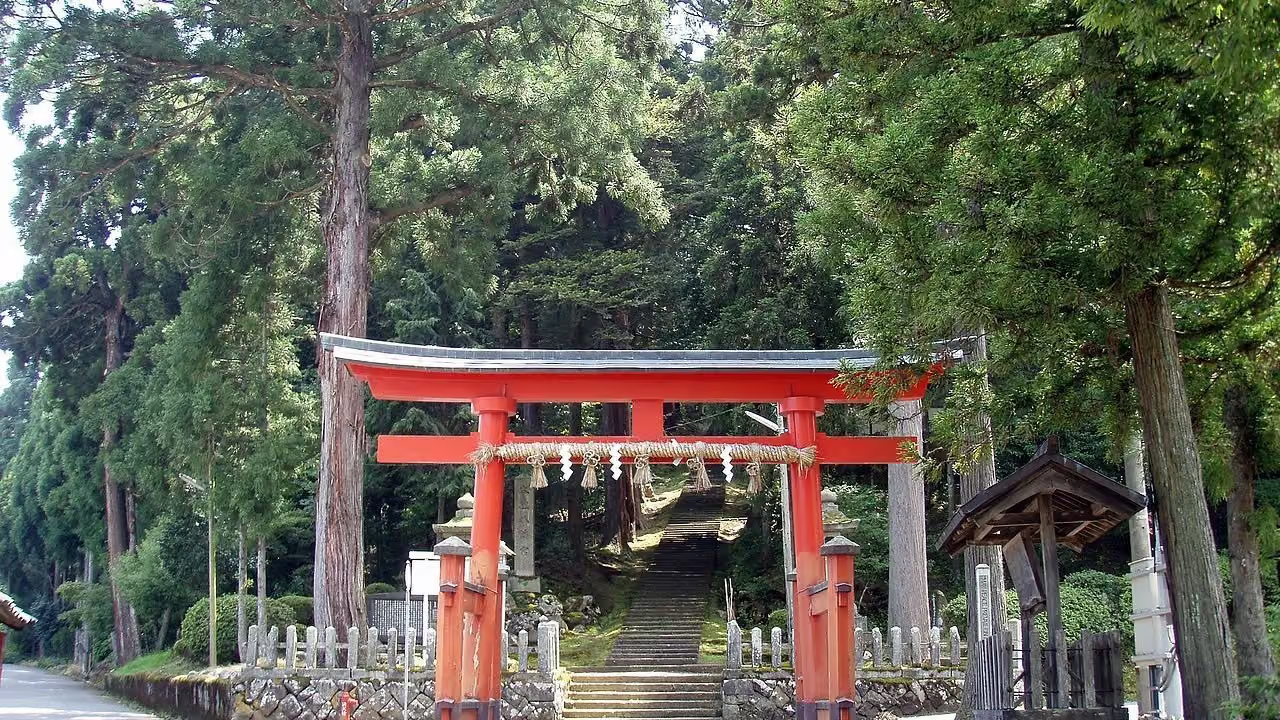
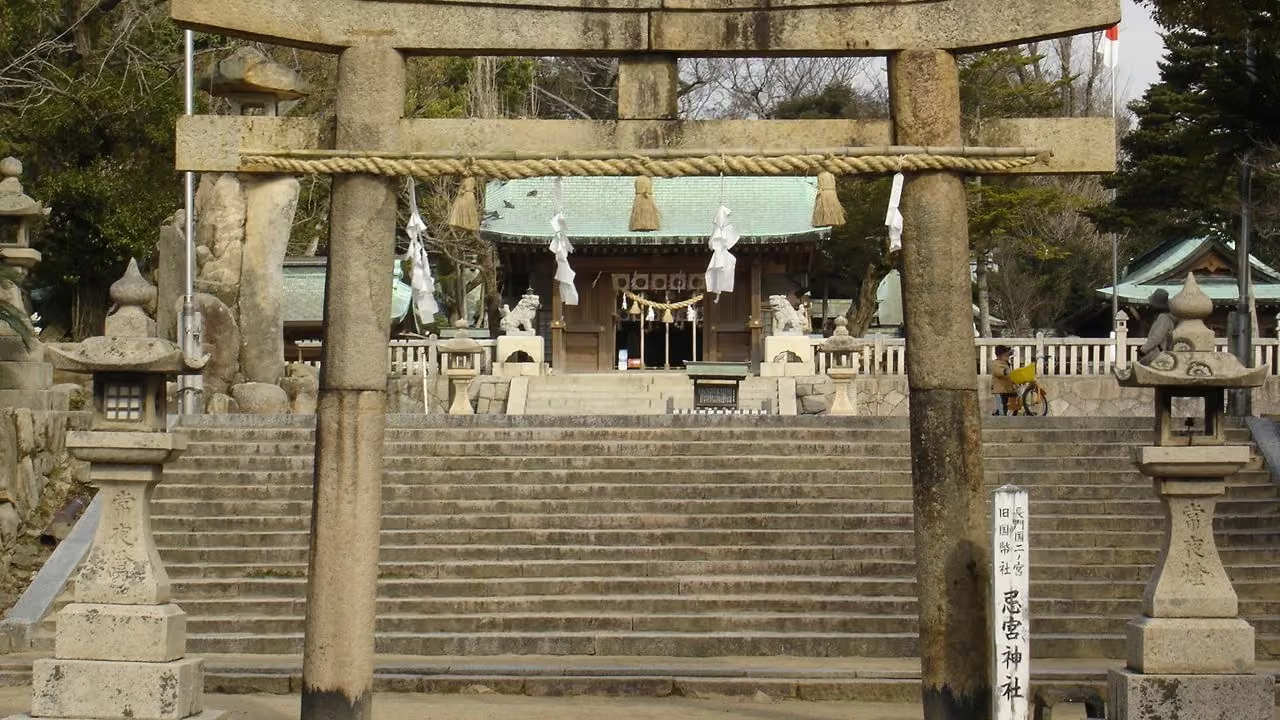
17 Jan 2027Exact date not confirmed yetOiso · KanagawaOshio Hachiman Shrine, a Shinto shrine in Echizen, Fukui, dating to the 9th century, with a Muromachi-period worship hall and gardens on its grounds.
Echizen · FukuiA Doll's Day celebration in Echizen Ono with hina doll displays at two venues, including a 20-step arrangement at a historic National Cultural Property.
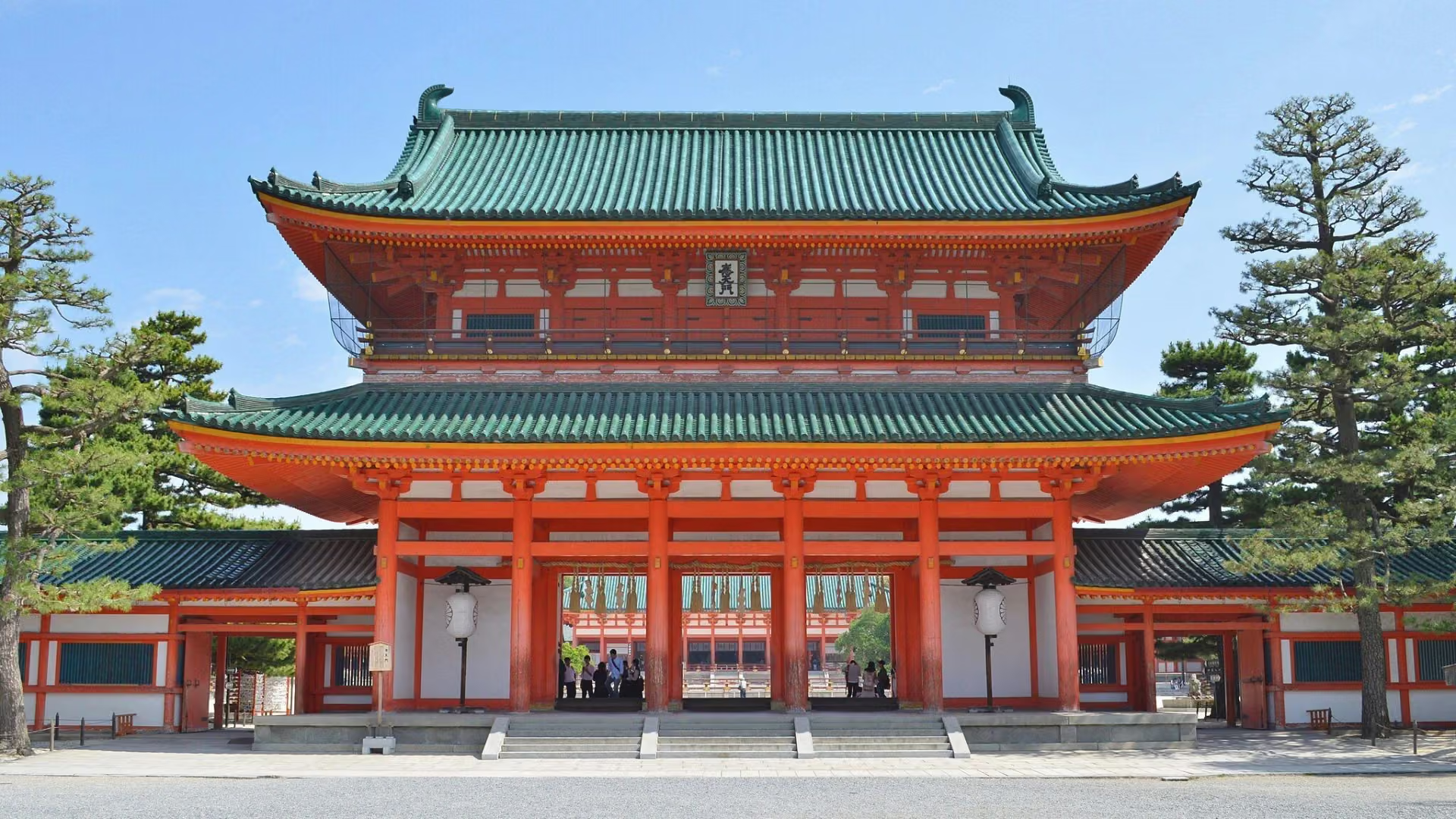
24 Jan – 8 Mar 2027Exact date not confirmed yetOno · FukuiA highly-ranked Shinto shrine in Kyoto built in 1895 to commemorate the city's 1100th anniversary and dedicated to Emperor Kanmu.
KyotoA February festival in which a procession of 200 costumed samurai in traditional armor marches to Bannaji Temple for a purification ceremony.
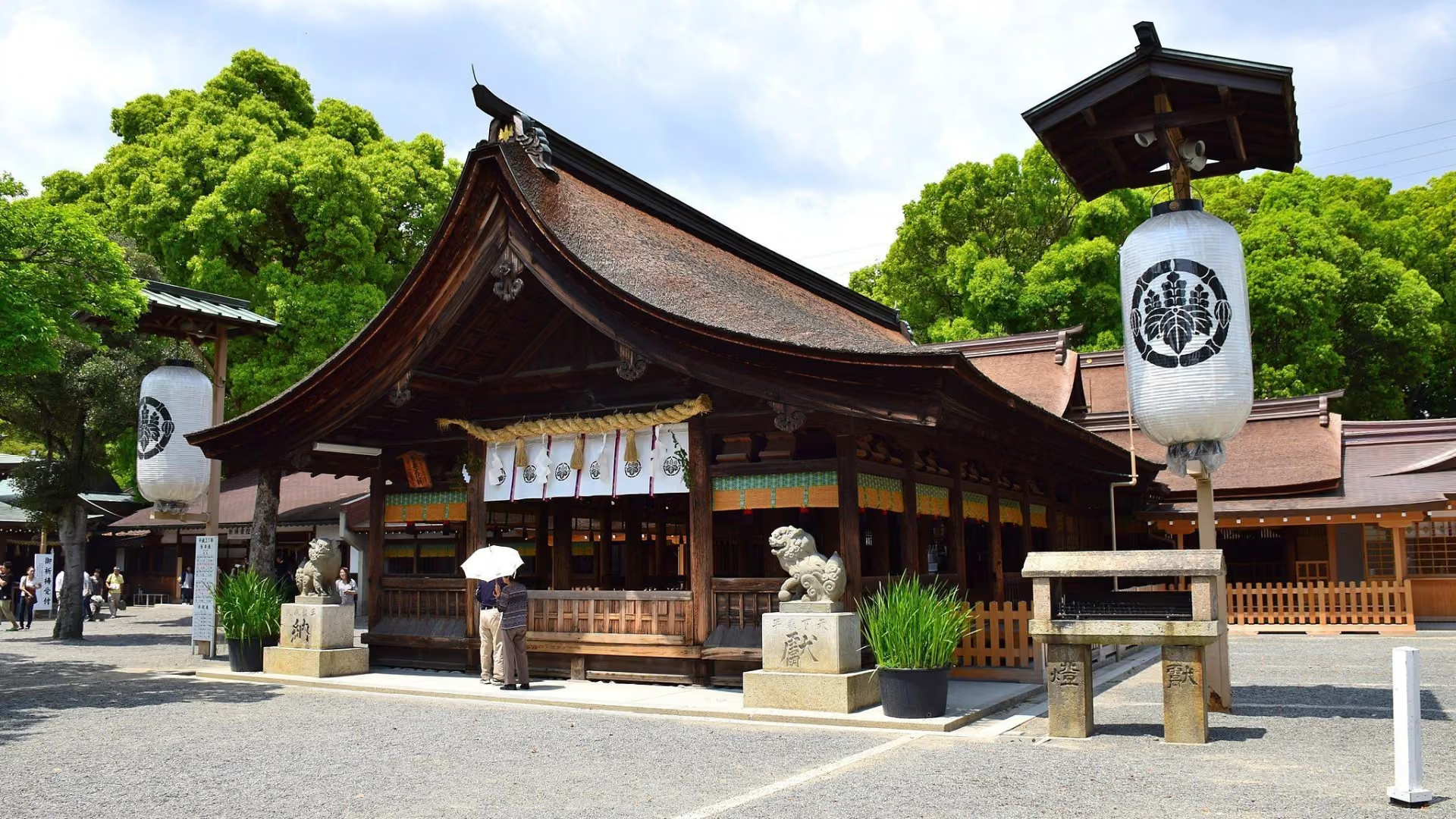
31 Jan 2027Exact date not confirmed yetAshikaga · TochigiInazawa shrine that is the guardian of Owari Province, enshrining the land spirit revered for protecting agriculture and commerce since the Nara period.
Inazawa · AichiThe Utasu Jinja Shrine Setsubun Festival marks the change of season with purification rituals and Mamemaki, the traditional throwing of roasted soybeans.
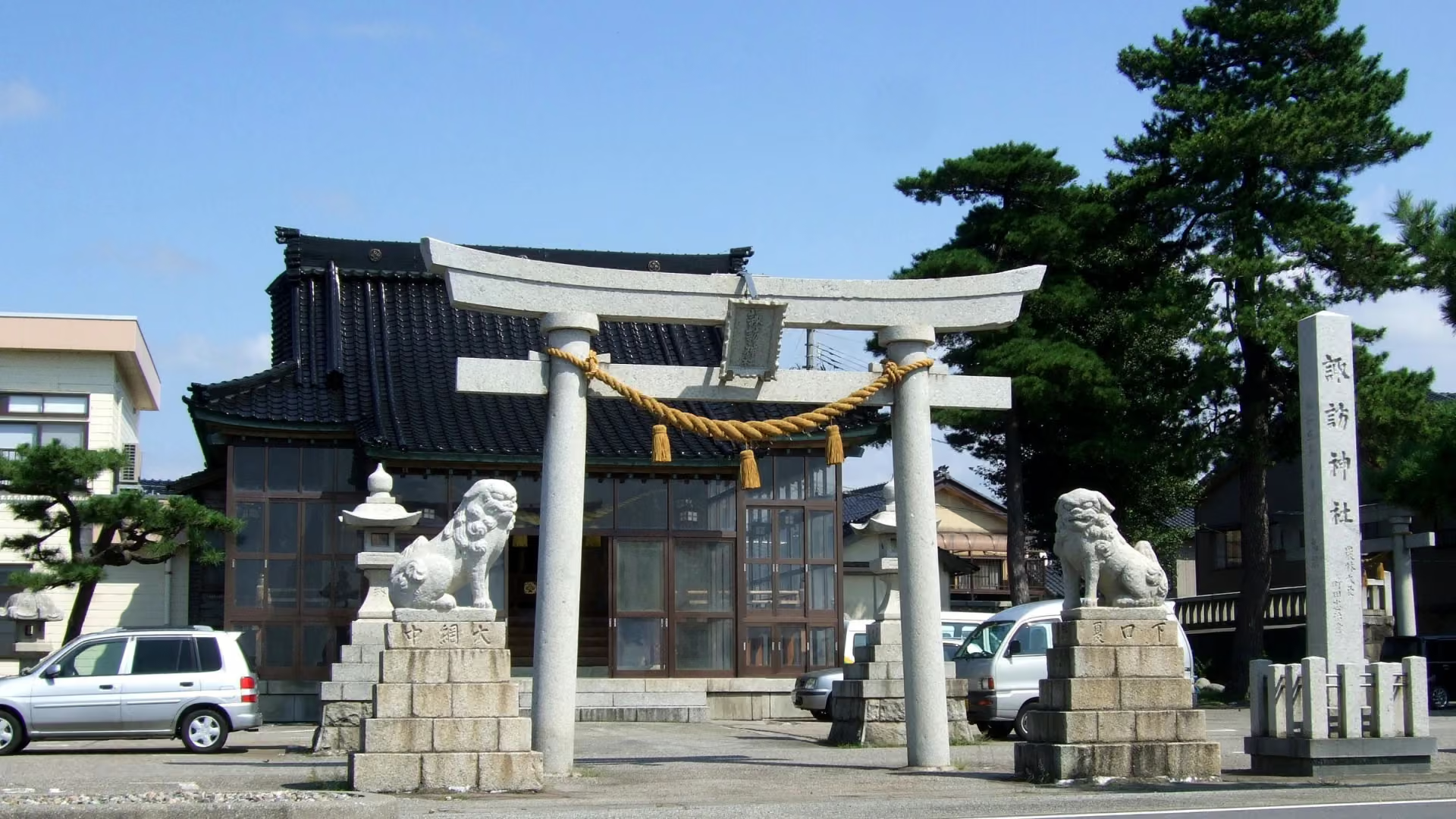
3 Feb 2027Exact date not confirmed yetKanazawa · IshikawaSuwa Shrine sits on a hillside overlooking Toyama Bay, enshrining three deities revered by maritime workers for protection and prosperity in fishing.
Uozu · ToyamaAn ancient Shinto ritual held on February 10 features young men in white ceremonial clothing splitting bamboo stalks to symbolize strength and readiness.
10 Feb 2027Kaga · IshikawaWestern Japan's oldest shrine with an 1,800-year legacy, built where Emperor Chuai's palace stood and his spirit was enshrined by Empress Jingu.
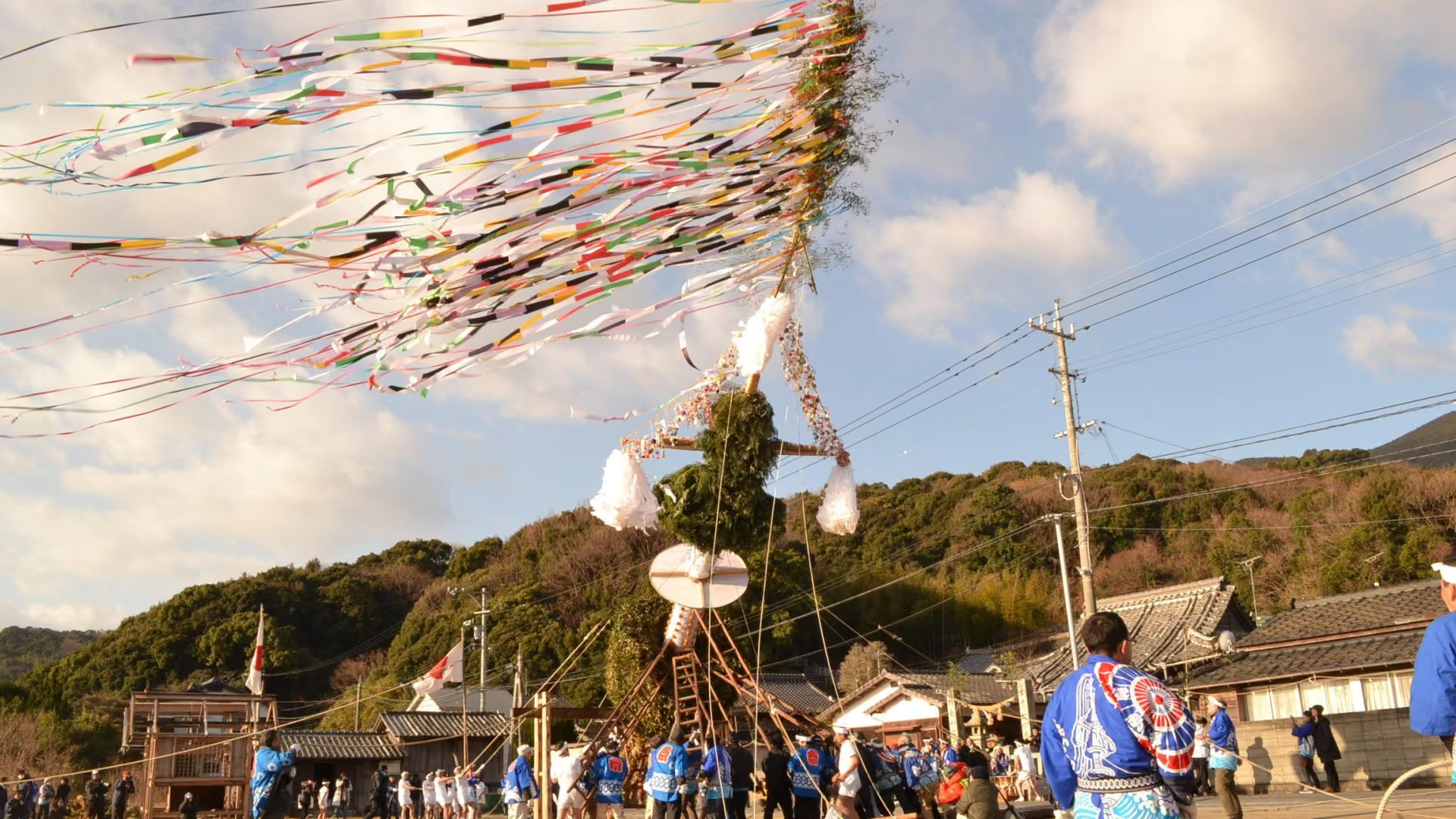
Shimonoseki · YamaguchiFire-lit pillars hung with sacred paper stand on the beach as the community performs ceremonial dances twice a day for protection from illness and calamity.
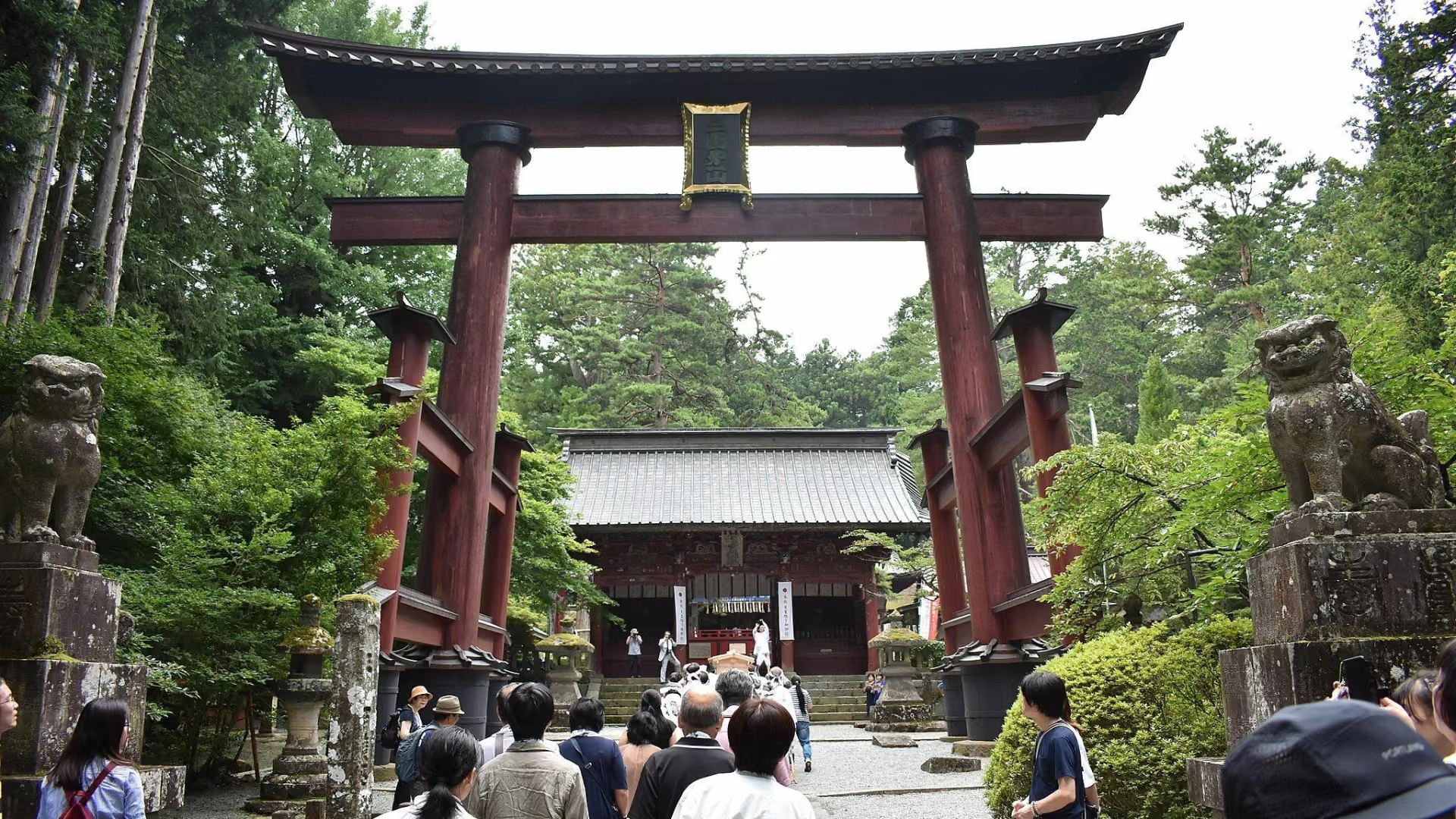
11 Feb 2027Exact date not confirmed yetYanai · YamaguchiShinto shrine at the northern base of Mount Fuji dating to the 2nd century, serving as the traditional departure point for Mount Fuji pilgrimages.
Fujiyoshida · YamanashiAn Edo-period festival in Kaminoyama where performers in bird-shaped straw costumes parade through town as spectators splash them with water for good fortune.
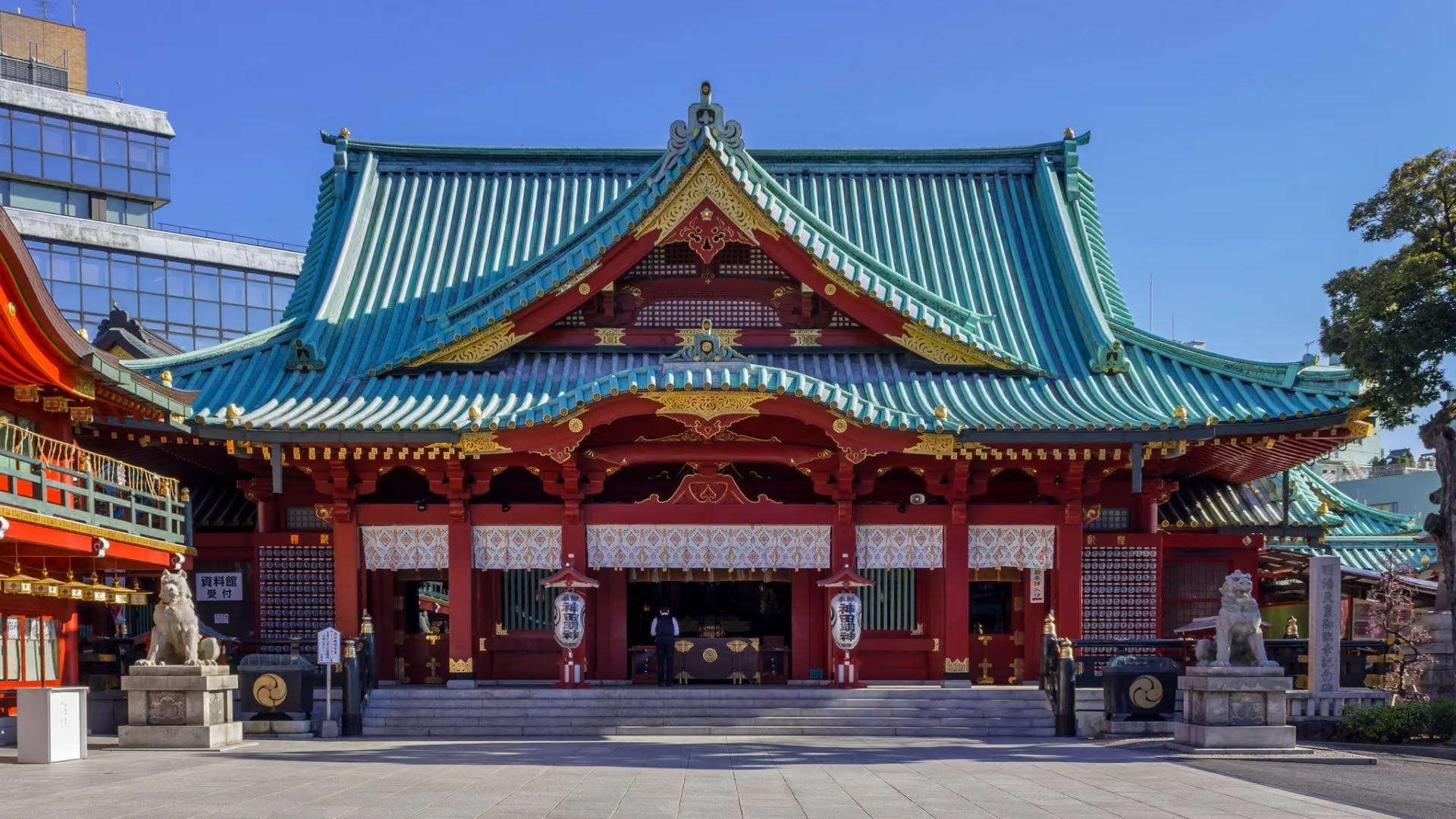
11 Feb 2027Exact date not confirmed yetKaminoyama · YamagataTokyo shrine in Akihabara with origins about 1,270 years ago, revered by warriors and citizens in the Edo period and visited by shogun Tokugawa Ieyasu.
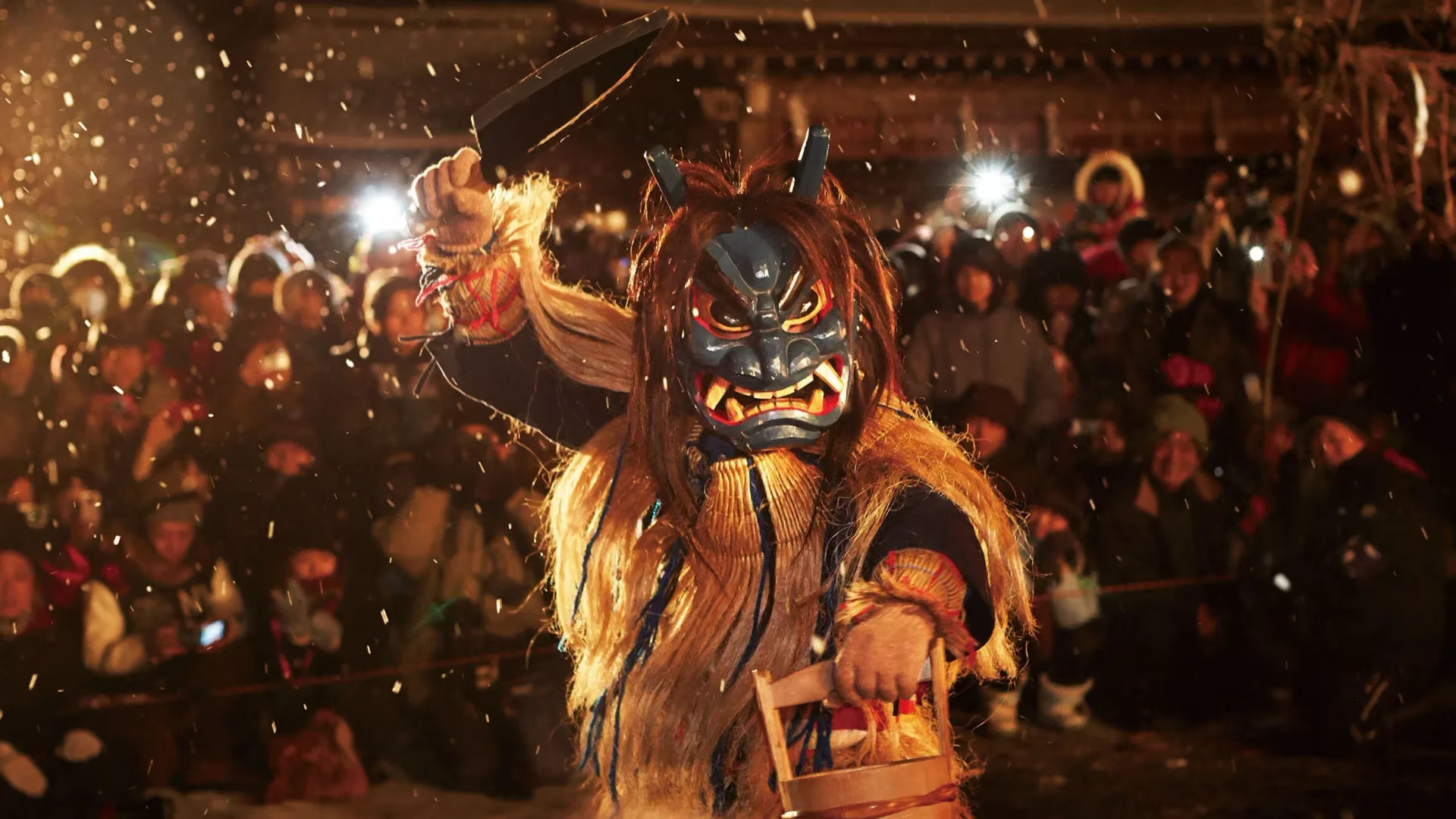
TokyoThe Namahage Sedo Festival recreates the winter tradition of demon-like Namahage visiting shrines and homes, known as one of Japan's three strangest festivals.
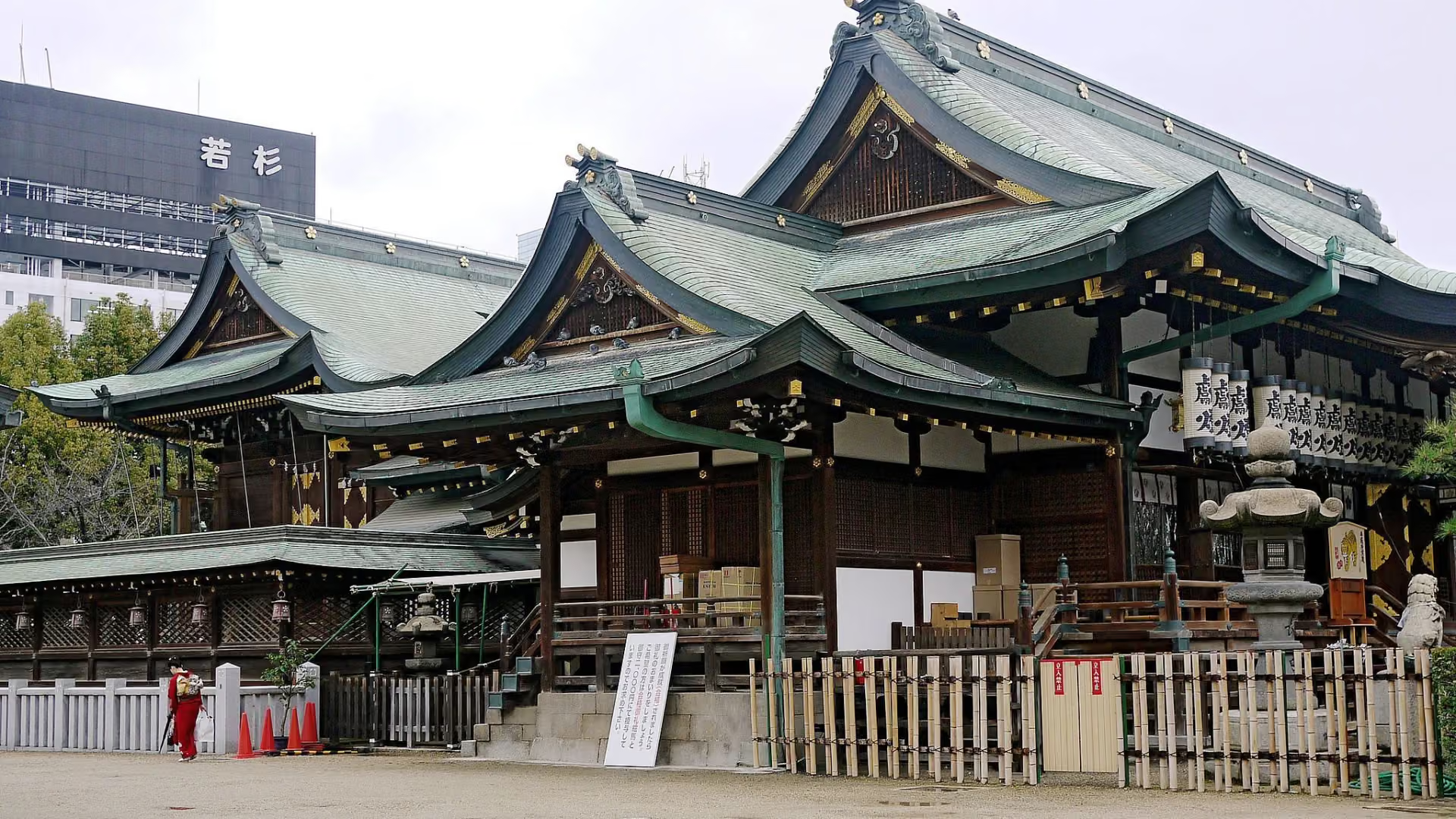
13–15 Feb 2027Exact date not confirmed yetOga · AkitaOsaka shrine founded in 650 AD and rededicated in 949 to Sugawara no Michizane, the deified scholar revered as a deity of academics and learning.
Osaka