Kumano Taisha Shrine
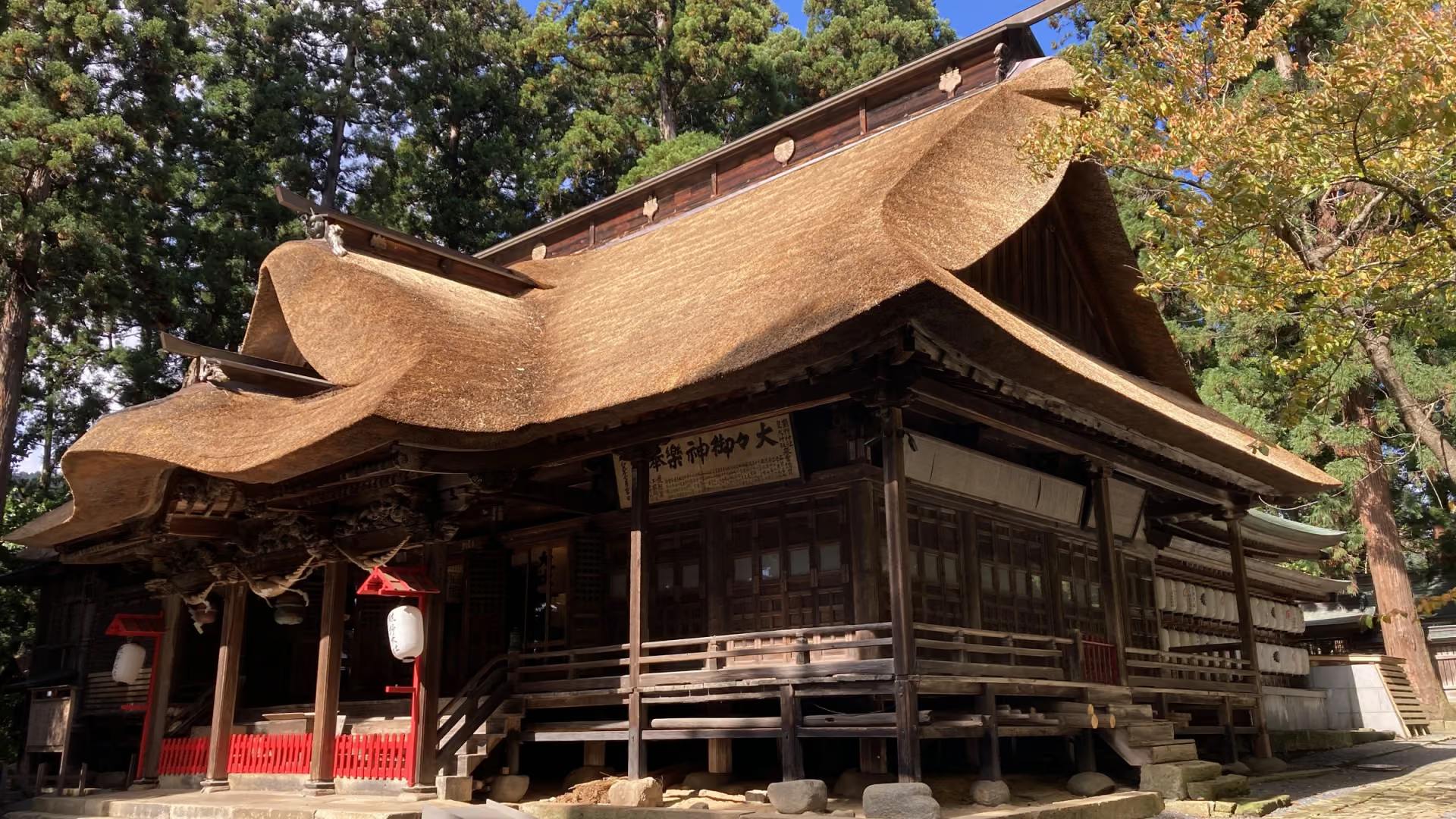
One of three major Kumano shrines in Japan, Kumano Taisha was established in 806 and is known as the Ise Shrine of the North for its significance.
Nanyo · Yamagata

One of three major Kumano shrines in Japan, Kumano Taisha was established in 806 and is known as the Ise Shrine of the North for its significance.
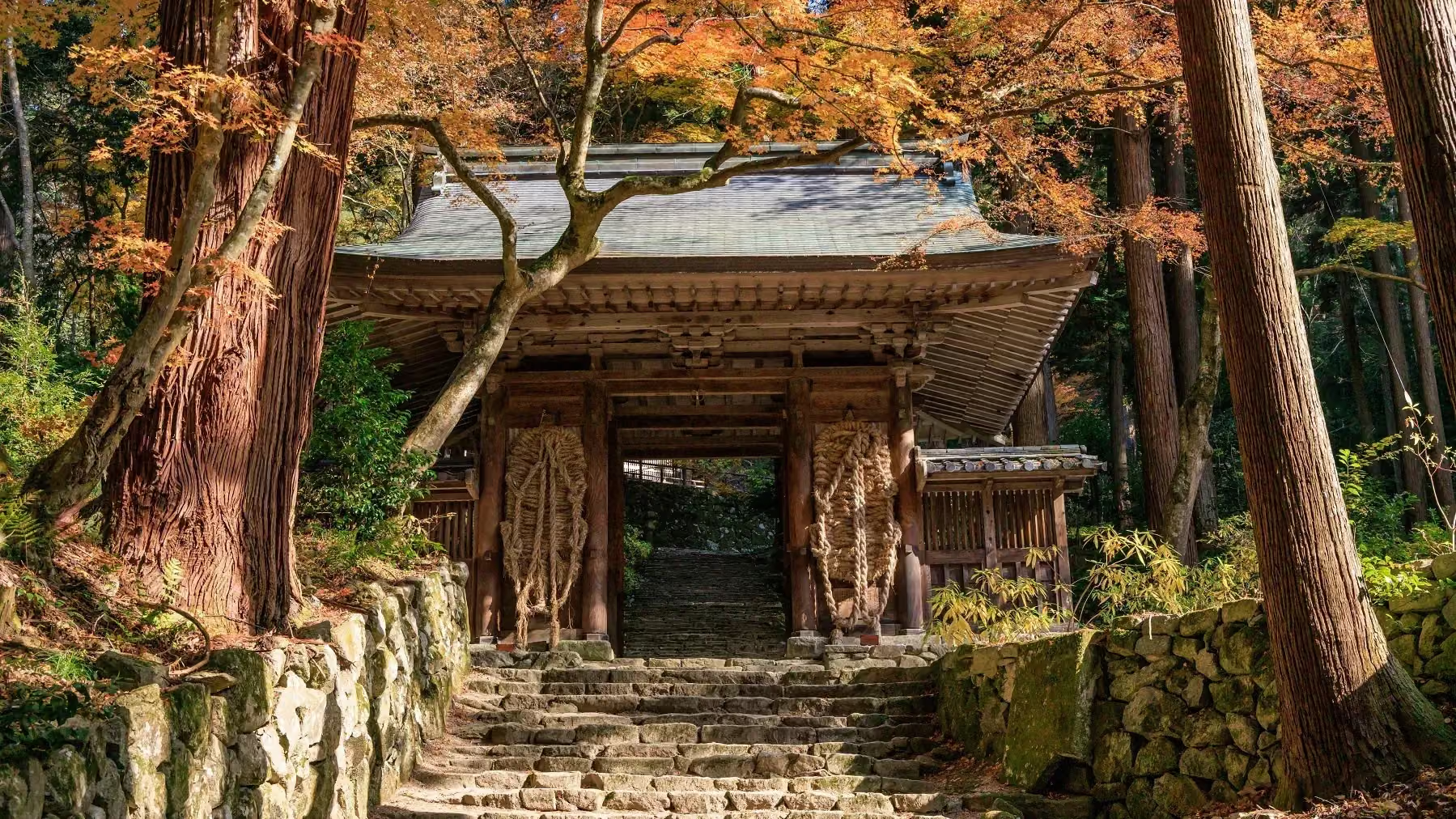
Nanyo · YamagataA mountain temple in Saijo, Ehime, founded in 642, reached by a long approach under maples, with a main hall that is an Important Cultural Property.
Saijo · EhimeAbout thirty thousand cherry trees on a mountainside in Nara, planted over centuries as offerings, which come into flower from the foot upward over a month.
Yoshino · NaraA museum of 1997 in the mountains of Shiga, designed by I. M. Pei and mostly buried in the hillside, holding ancient art of the world alongside Japanese art.
Koka · ShigaA temple at Emukae in Sasebo where the maples of the garden are shown upside down, reflected in a panel set into the floor of the hall.
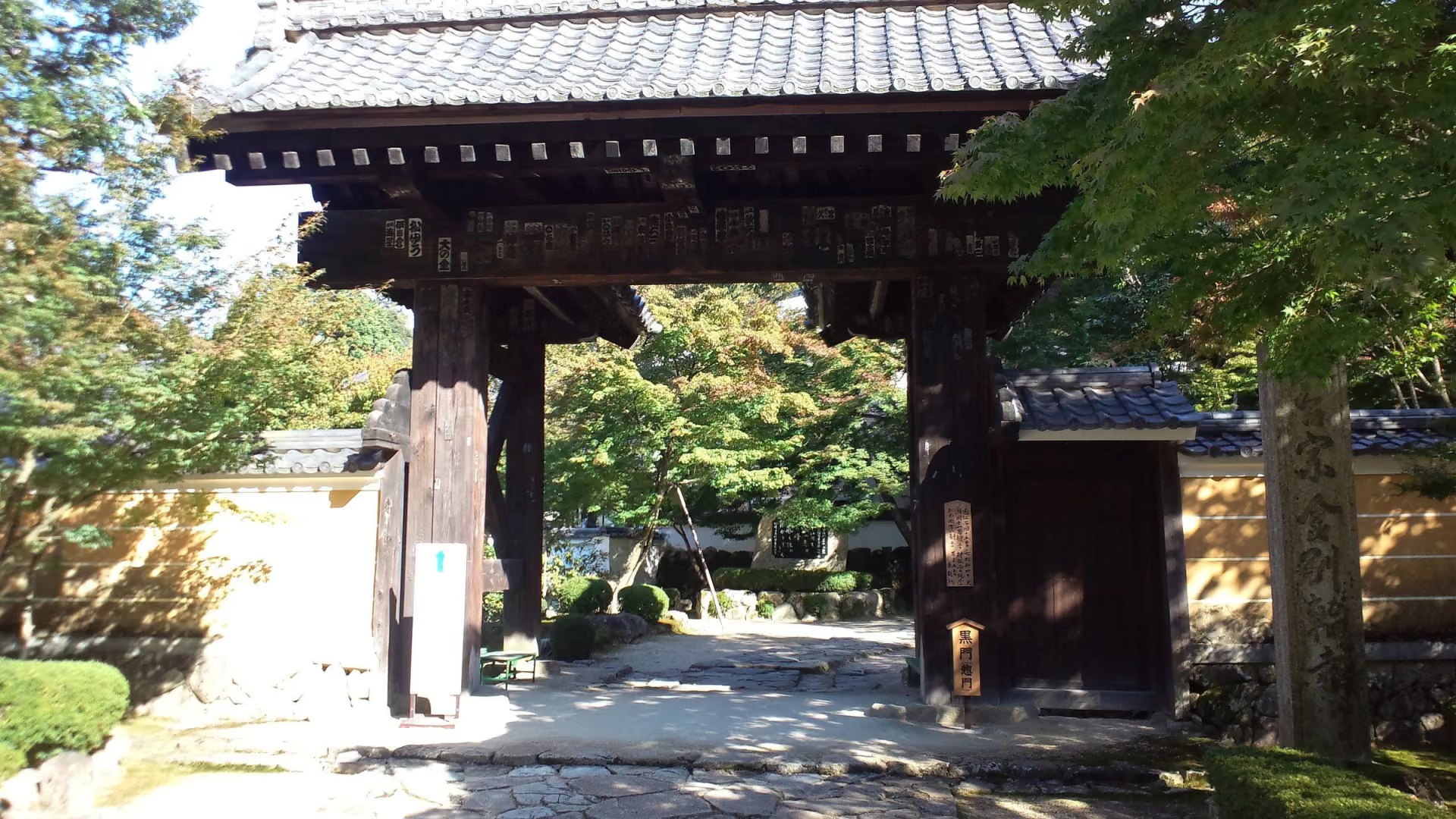
Sasebo · NagasakiA Tendai sect Buddhist temple founded in the early Heian period, housing a National Treasure main hall with Heian-period statues and garden.
Aisho · ShigaTendai Buddhist temple and National Historic Site, one of the three great temples east of Lake Biwa, with buildings dating to the 17th century.
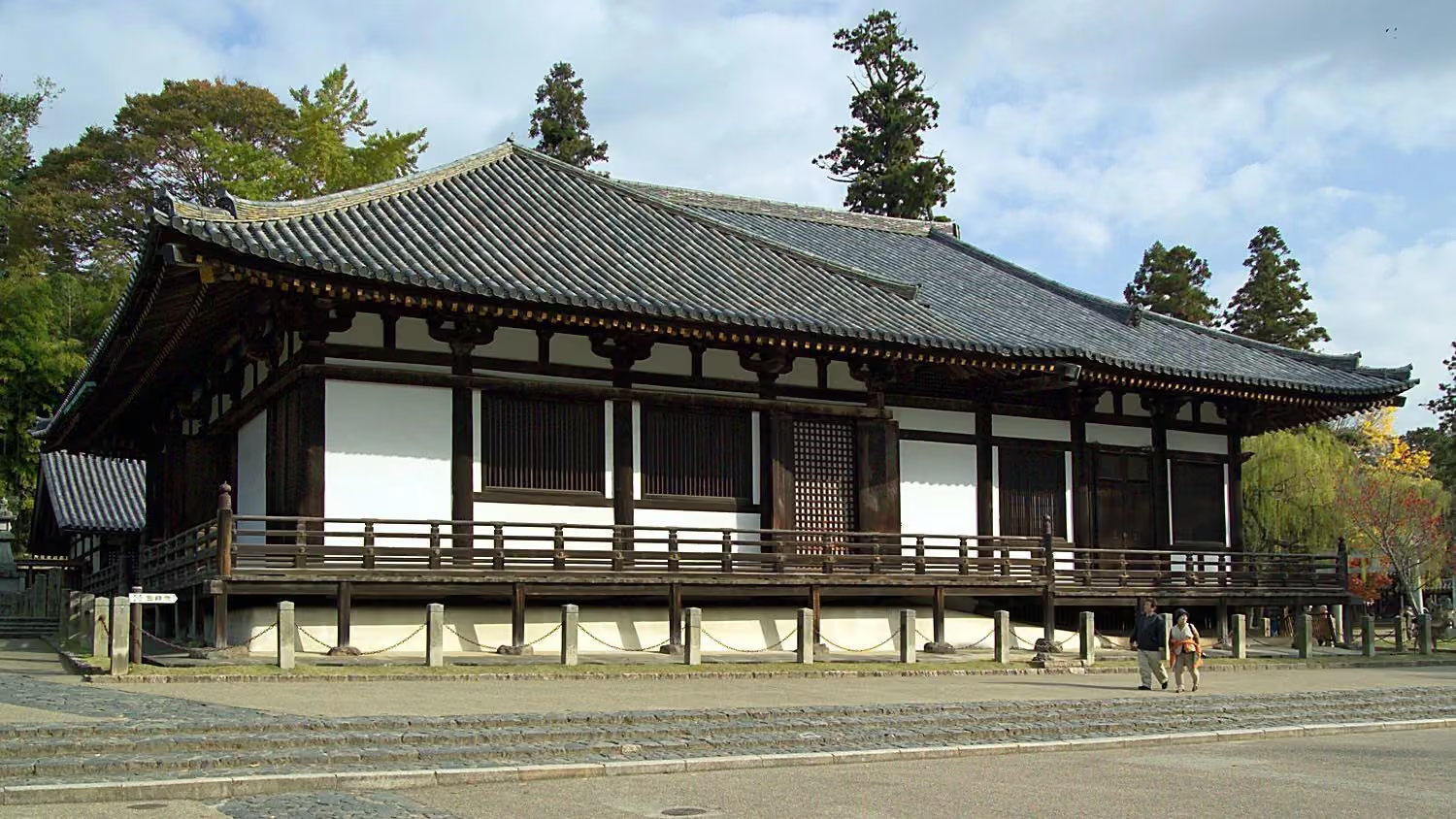
Higashiomi · ShigaTodai-ji's oldest building, constructed between 740-747 and originally dedicated to a Kannon statue, later renamed for the annual Lotus Sutra ceremony.
NaraOne of the two head temples of Soto Zen, founded in 1244 in the mountains of Fukui and still a working monastery of about 150 monks.
Eiheiji · FukuiThe highest of the three mountains of Dewa in Yamagata, sacred to the moon god, with a shrine at the summit that opens only in high summer.
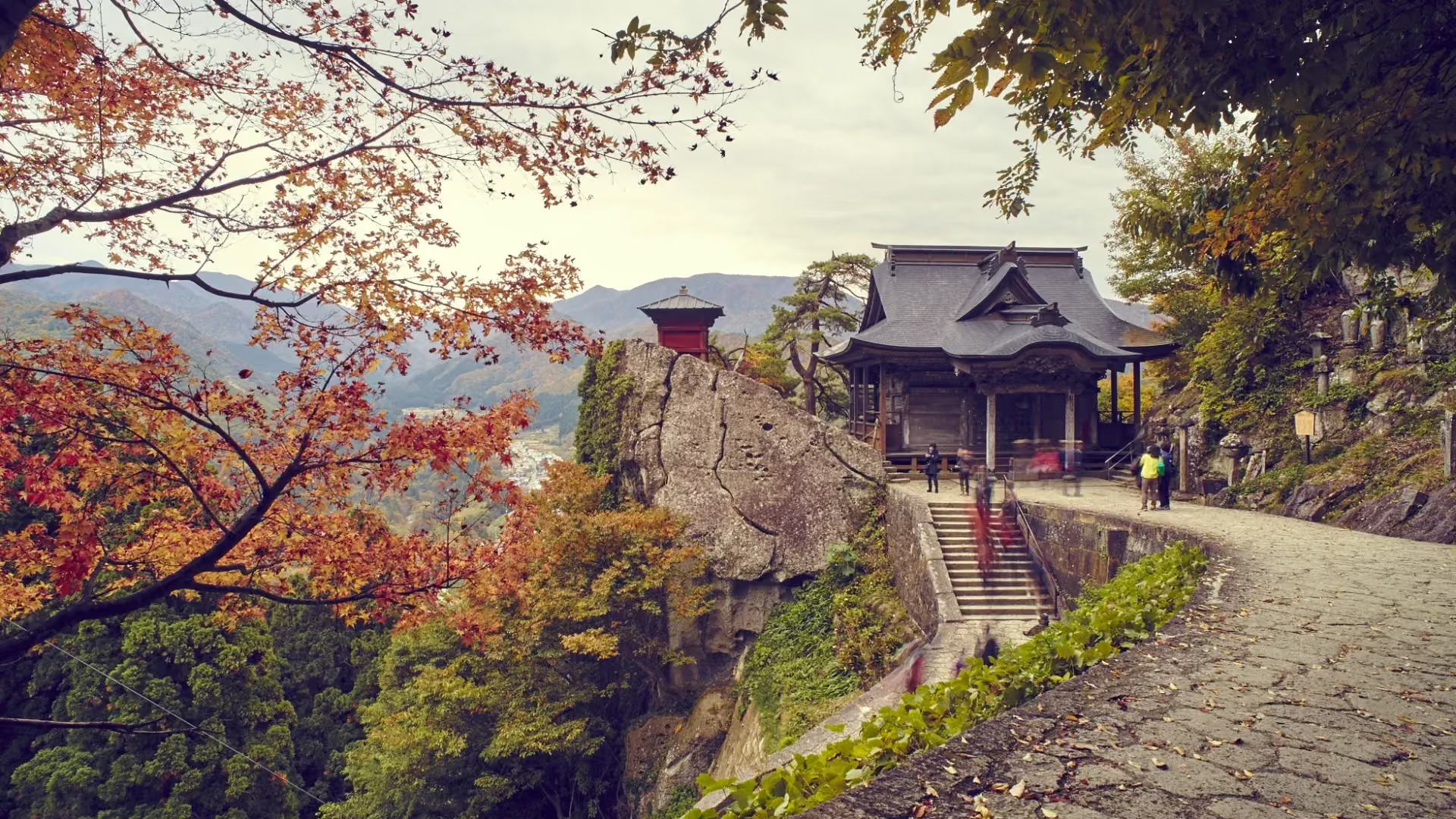
Tsuruoka · YamagataA Tendai temple of 860 built up a rock face in Yamagata, its halls reached by a stone stairway, and the place of Basho's poem about cicadas.
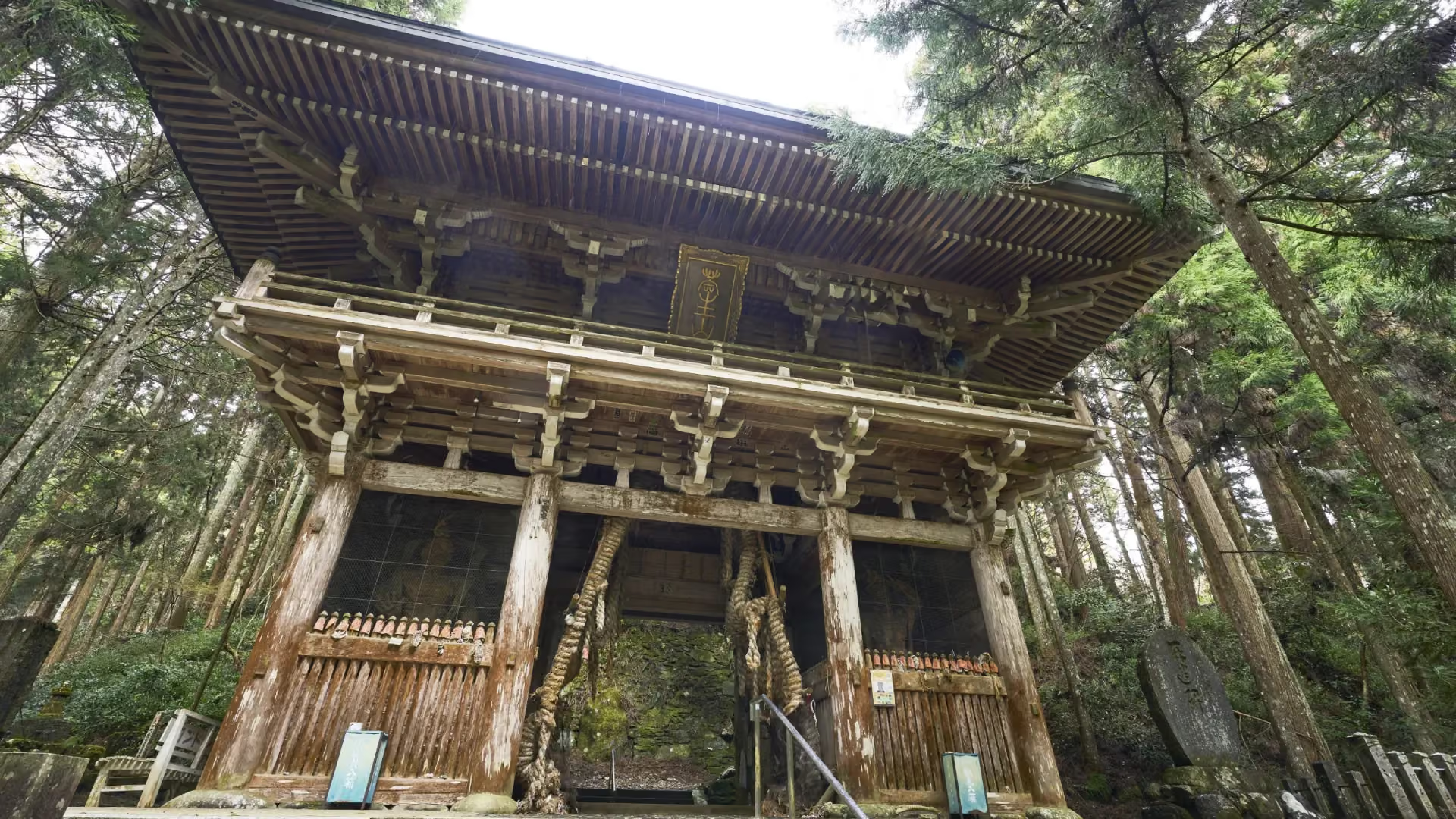
YamagataThe forty-fourth temple of the Shikoku pilgrimage and its halfway point, standing among old trees at 579 metres in the mountains of Ehime.
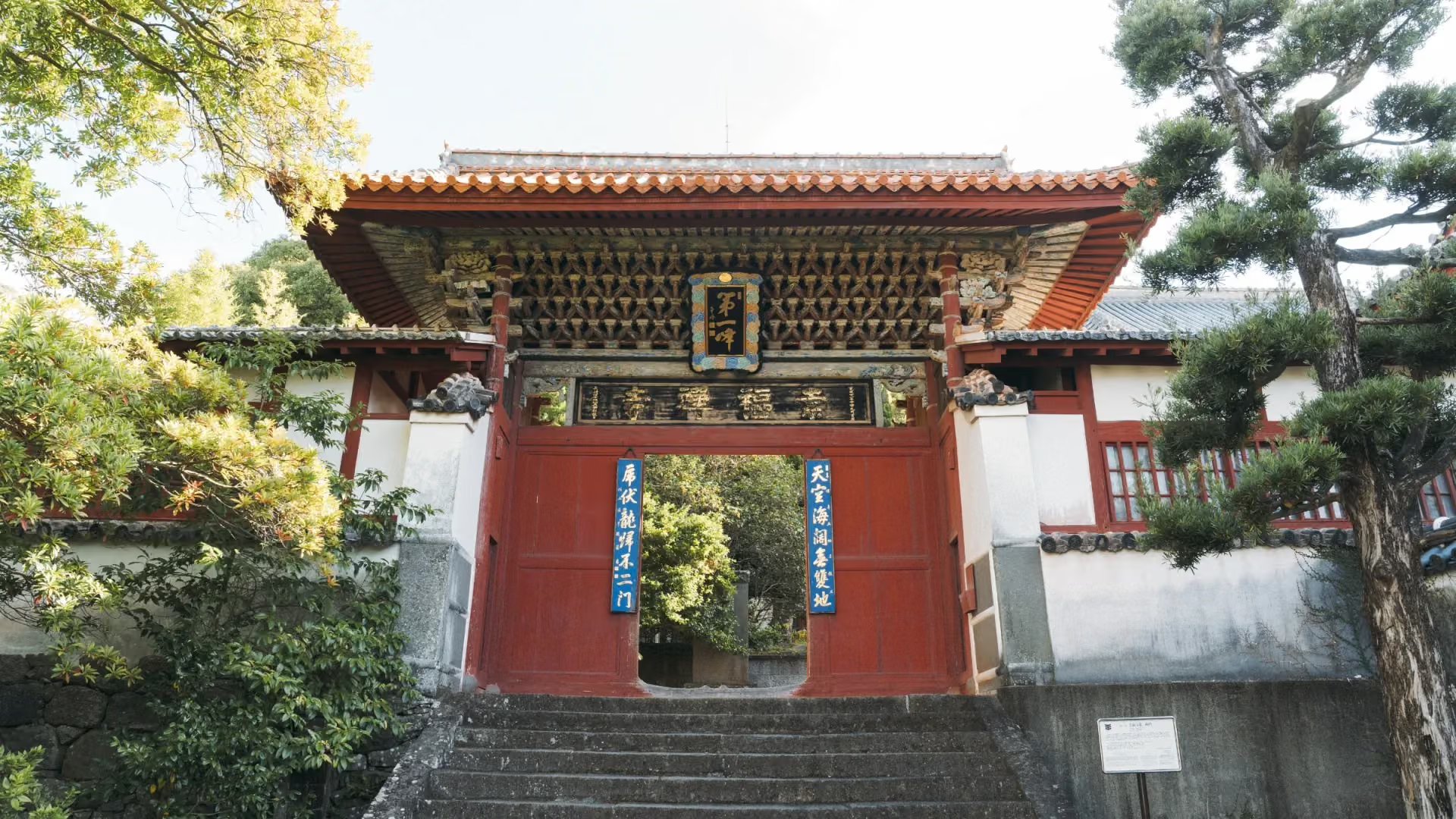
Kumakogen · EhimeA Chinese temple in Nagasaki founded in 1629 by merchants from Fujian, with two buildings that are National Treasures.
NagasakiThe first Chinese temple built in Nagasaki, founded in 1620, and the place where the Obaku school of Zen began in Japan.
NagasakiA 266-metre hill above Tadanoumi in Takehara, half an hour's walk to a view over Okunoshima and the islands of the Seto Inland Sea.
Takehara · HiroshimaThe guest hall of a Shingon temple at Tomonoura, built around 1690, whose view over the Seto Inland Sea a Korean envoy called the finest in Japan.
Fukuyama · HiroshimaThe innermost sanctuary of Koyasan, where a two-kilometre path through ancient cedars and 200,000 graves leads to the mausoleum of Kobo Daishi.
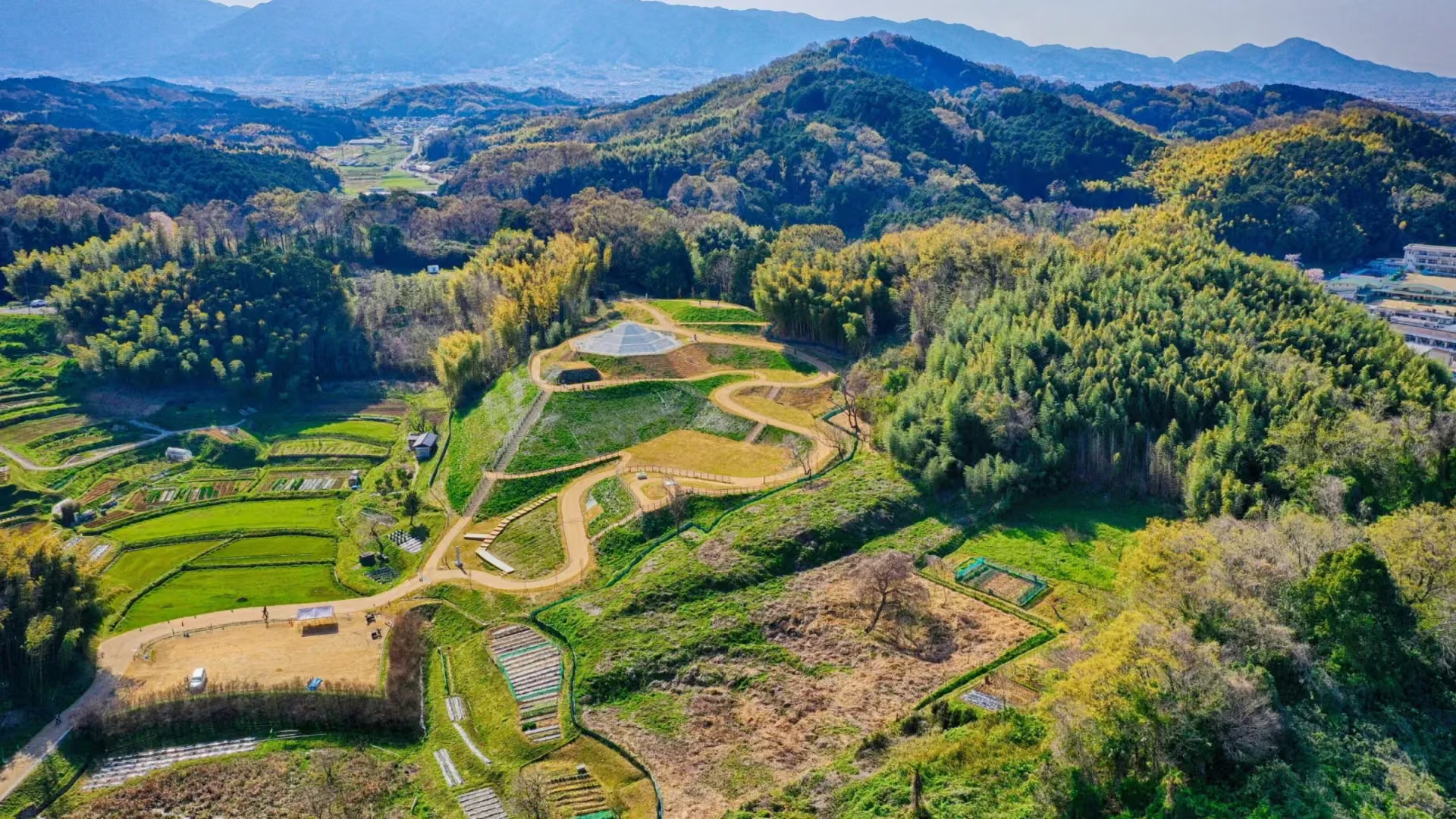
Koya · WakayamaThe Nara-Prefecture ruins where Japan's first centralised state took shape, newly inscribed as a UNESCO World Heritage Site in 2026.
Kashihara · Nara